
Dmytro Svarytsevych
Staff Product Designer • AI Products × Rapid Prototyping
Technical background (front-end engineering) + AI tools proficiency + design systems.
Fast execution in ambiguous environments with data-informed decisions.
Cross-functional collaboration with engineering and ML teams. Business impact focused.
Staff product designer at Neptune.ai
This role offered the entrepreneurial freedom and ownership I sought in a high-growth, high-ambiguity environment. Direct access to user feedback, autonomy to identify problems and propose solutions, and responsibility to move initiatives from concept through release. The startup required rapid prototyping cycles and assumption-driven design decisions in constrained conditions where ML engineers couldn't share screens due to security policies.
- Research in ambiguous problem spaces: Conducted research to understand ML experiment workflows in environment where traditional user research was impossible. Mapped jobs-to-be-done across researcher timelines, discovering distinction between routine monitoring and deep investigation work. Created workflow connections showing task sequences, transforming isolated JTBD database into coherent journey map demonstrating systems-level complexity understanding.
- Developer tool design for technical users: Designed interfaces for data scientists and ML engineers using highly technical workflows. Created experiences balancing power user needs with accessibility for occasional users, demonstrating understanding of B2B/developer tools and technical user personas.
- Complex interaction design and information architecture: Proposed IA reorganization addressing user confusion between reports, dashboards, and charts - visually similar pages with unclear purposes. Designed shared boards enabling cross-functional collaboration, eliminating need to build custom dashboards repeatedly. Balanced quantitative usage data with qualitative feedback to create flexible views aligned with research patterns.
- Rapid iteration on probabilistic workflows: Redesigned single run overview page through fast prototyping cycles, moving from limited layout to flexible configuration system. New design enables content reuse across product while improving navigation through tree view structure. This widget-based approach demonstrates understanding of complex interaction patterns and established reusable design system for future development.
- Rapid design system contribution: Extended component-based design system under time pressure, creating flexible widget patterns that accelerated engineering implementation. Built reusable components supporting complex ML visualization requirements while maintaining consistency across B2B platform - enabling faster feature delivery.
- AI-native design thinking and rapid prototyping: Leveraged AI tools to maintain velocity in complex technical domain. Used Claude and ChatGPT for market research, synthesizing Neptune's knowledge base, comparing design tradeoffs, and validating solutions against edge cases. This AI-accelerated approach enabled rapid iteration cycles and informed decision-making despite being new to ML tooling domain.
- Trust-building in restricted research environment: Worked in high-ambiguity environment where traditional user research was impossible due to security policies. ML engineers couldn't share screens or participate in live interviews. Developed research approach using behavioral pattern analysis, async Slack feedback, and careful interaction cadence to gather insights - demonstrating comfort with ambiguous problem spaces and research innovation.
Work highlights

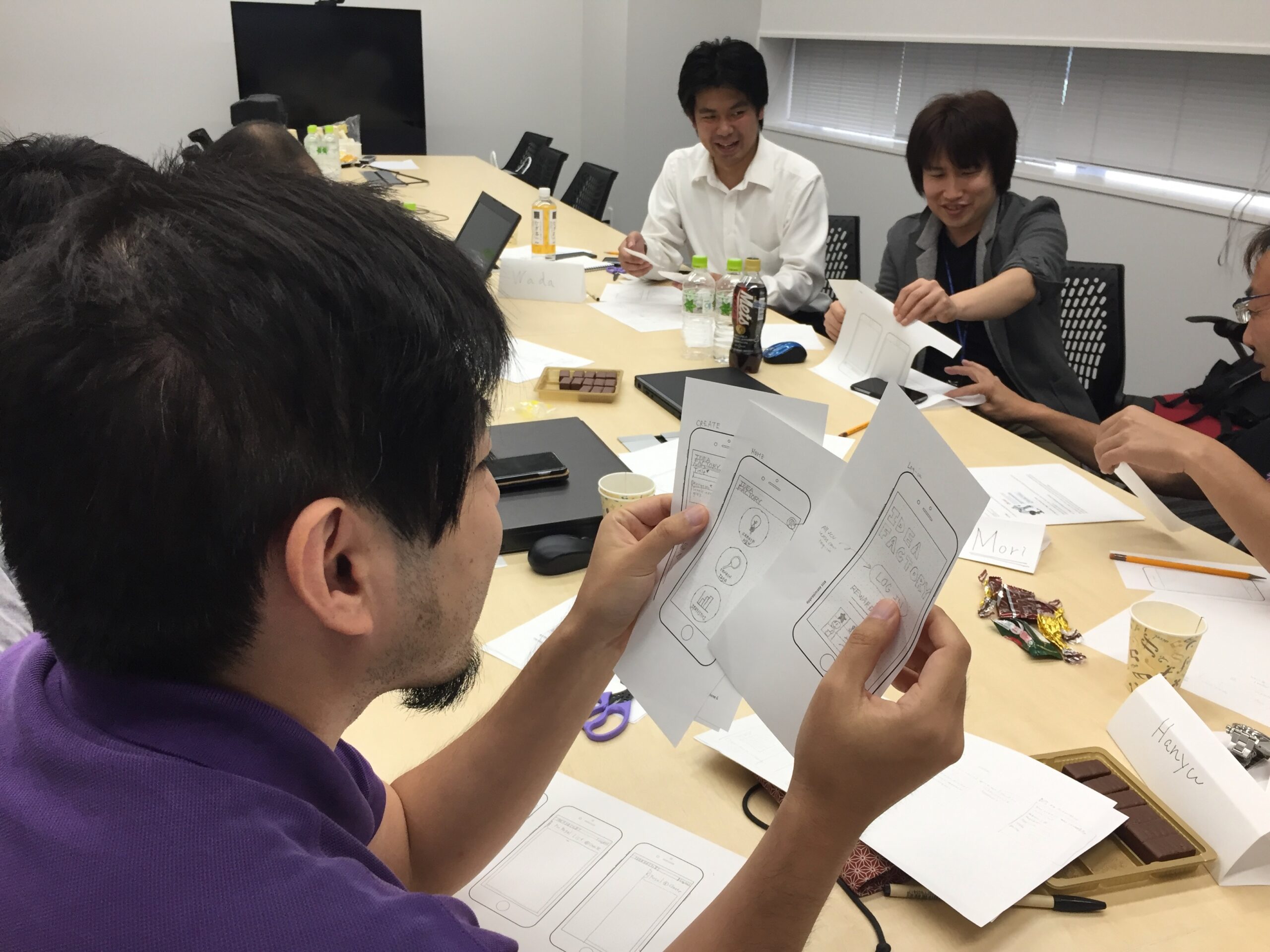
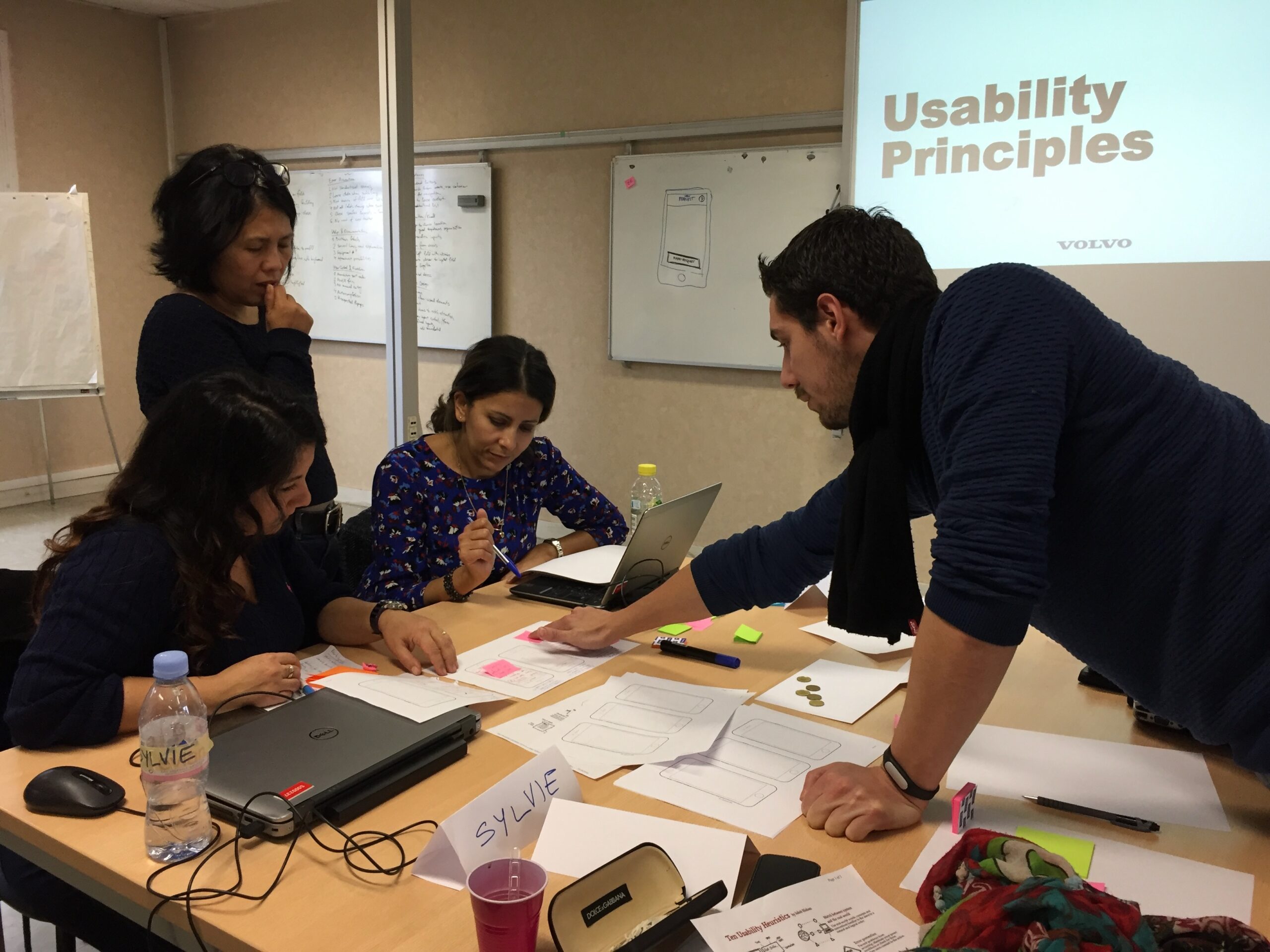
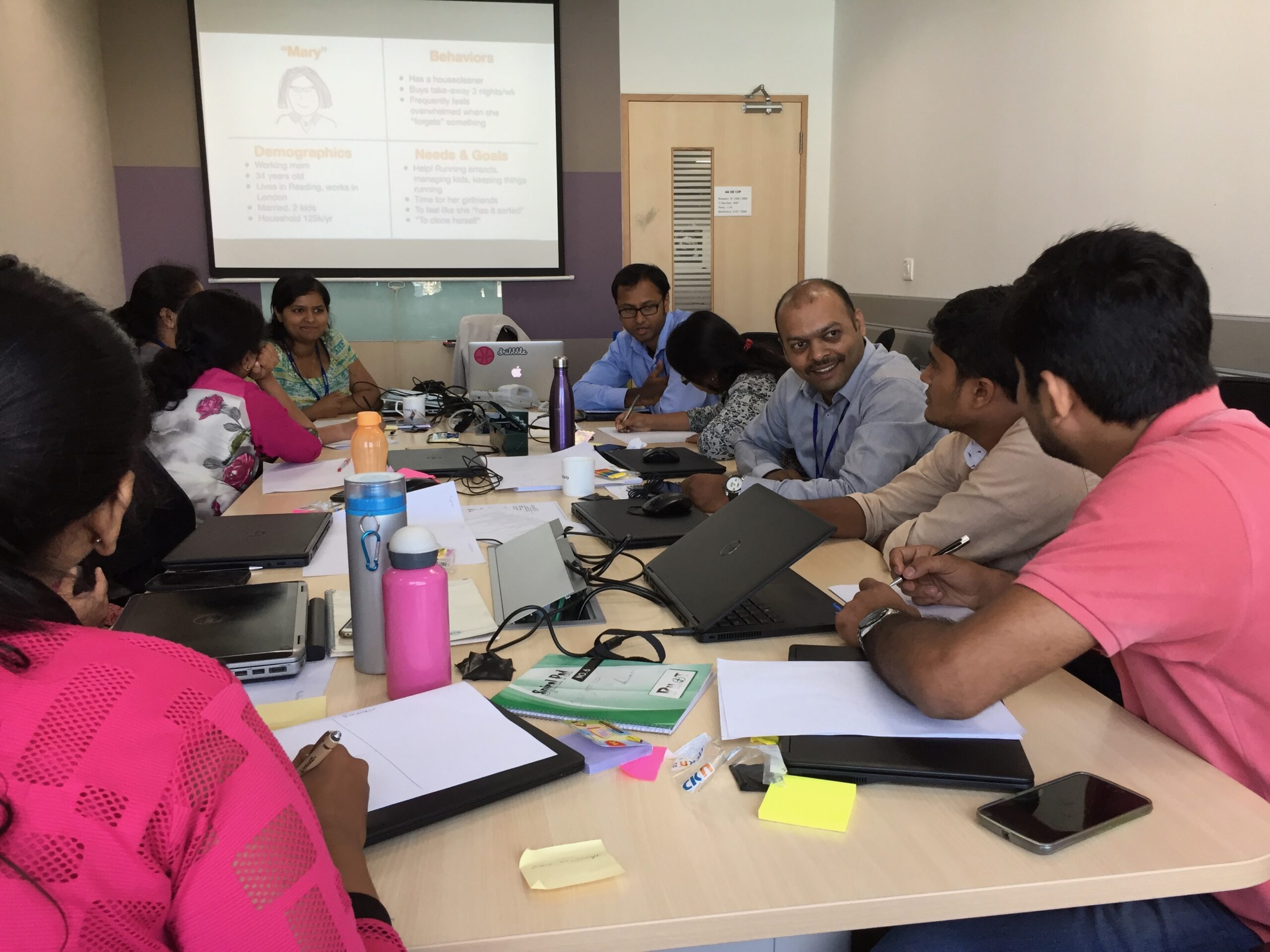
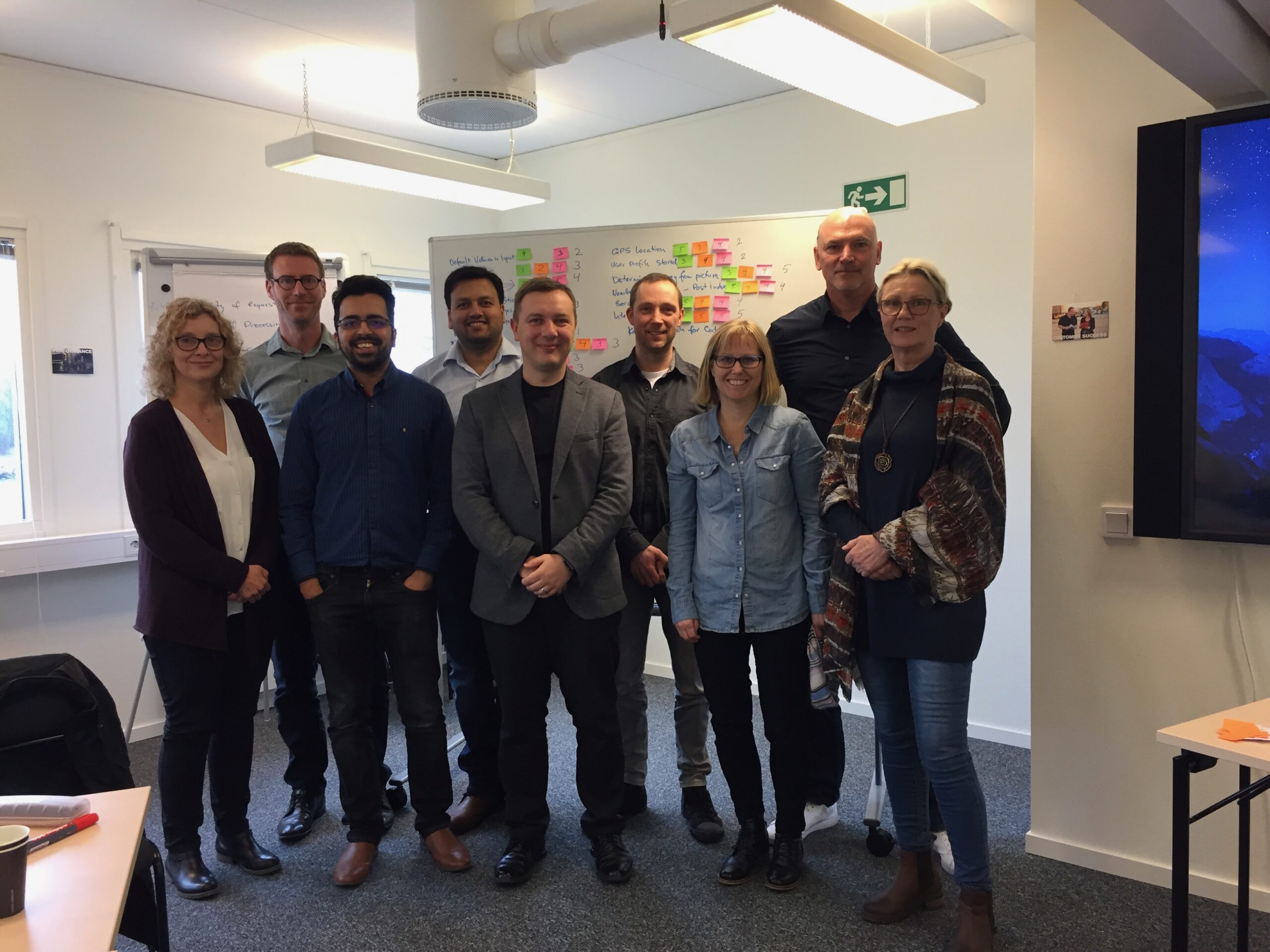
Work highlights


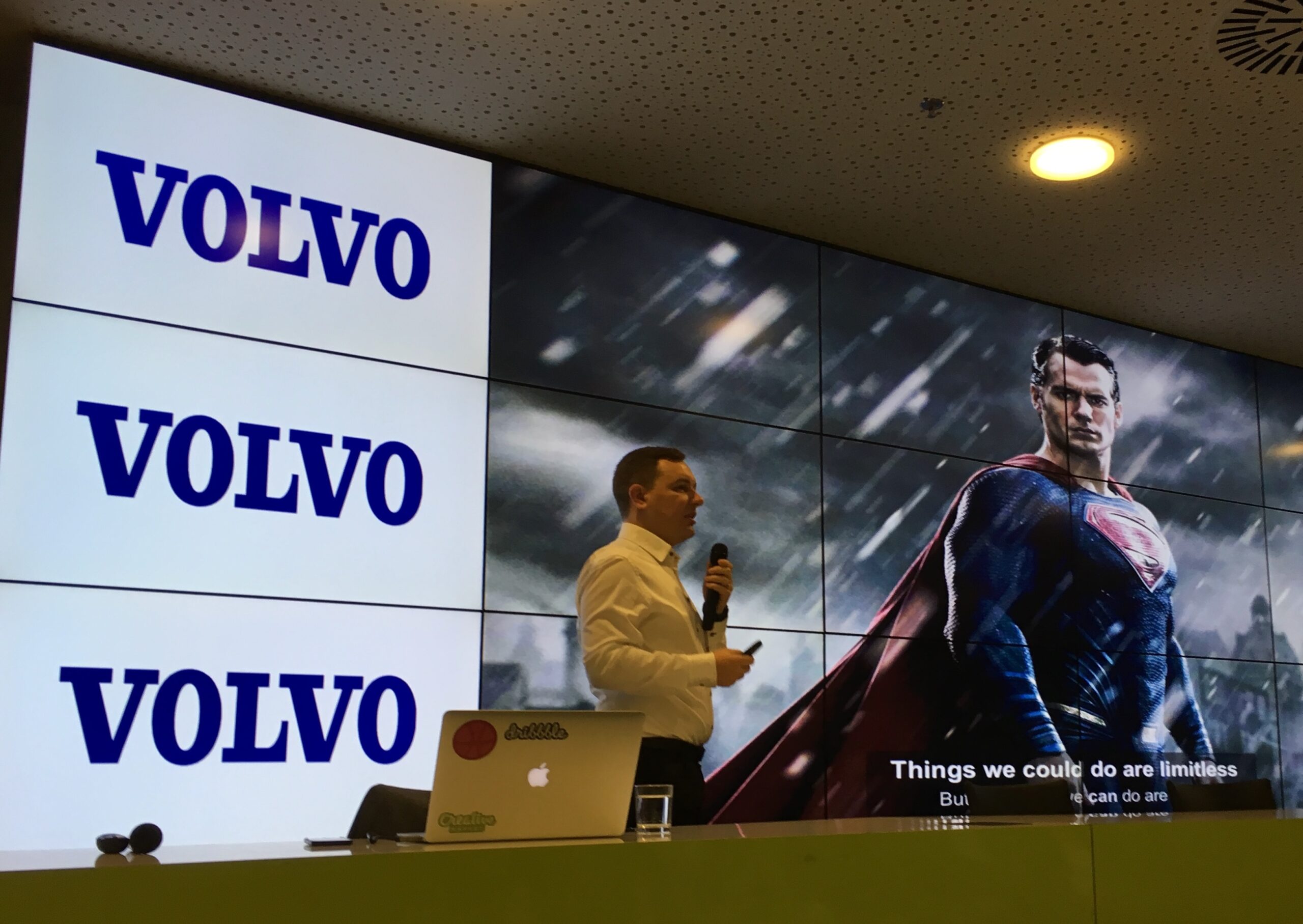
UX Strategist at Volvo Group
Motivated by a passion for influencing global design practices, I took on a strategic role at Volvo Group to embed user-centered design principles into enterprise projects. Over the years, I have worked to align UX strategies with business objectives while mentoring teams, fostering collaboration, and delivering innovative solutions. From redesigning complex systems to developing scalable frameworks, my focus has always been on creating user-centric experiences that drive measurable business impact.
Having accomplished significant milestones, I remain excited about exploring ways to bring user-centered innovation to new challenges and contexts.
- Legacy UX modernization: Led the modernization of a consumer-facing fleet simulation platform, introducing an intuitive, scalable IA and design system. Reduced customer setup time from 40 to 10 minutes by aligning structures with user mental models, boosting user satisfaction by 45%, and improving development efficiency by 30%.
- Design systems: Built and maintained scalable, multi-platform design systems with dynamic variables to ensure consistency across Volvo’s multi-brand ecosystem, spanning desktop, web, mobile (iOS & Android), and IoT platforms. Enhanced cross-platform UX uniformity and reduced iteration time by 25%.
- Dashboards: Designed and implemented a real-time digital dashboard for factory operations, replacing manual workflows with automated data visualization. This solution saved $250k annually, improved cross-shift operational transparency, and streamlined decision-making processes.
- UX roadmaps aligned with business goals: Partnered with Directors, VPs, and senior stakeholders to develop and deliver UX roadmaps tailored to strategic business objectives. These roadmaps ensured precise resource allocation, drove team focus, and supported measurable outcomes that aligned with enterprise goals.
- AI-powered research solutions: Proposed and executed a methodology incorporating AI into user research synthesis. Developed a custom GPT-powered knowledge base that analyzed session transcriptions to generate detailed user journeys, accelerating decision-making and reducing synthesis time by 50%.
- Advocated for UX best practices: accessibility, and user-centered design to create intuitive, seamless experiences across platforms. Ensured consistency, usability, and engagement by aligning design decisions with research insights and business goals.
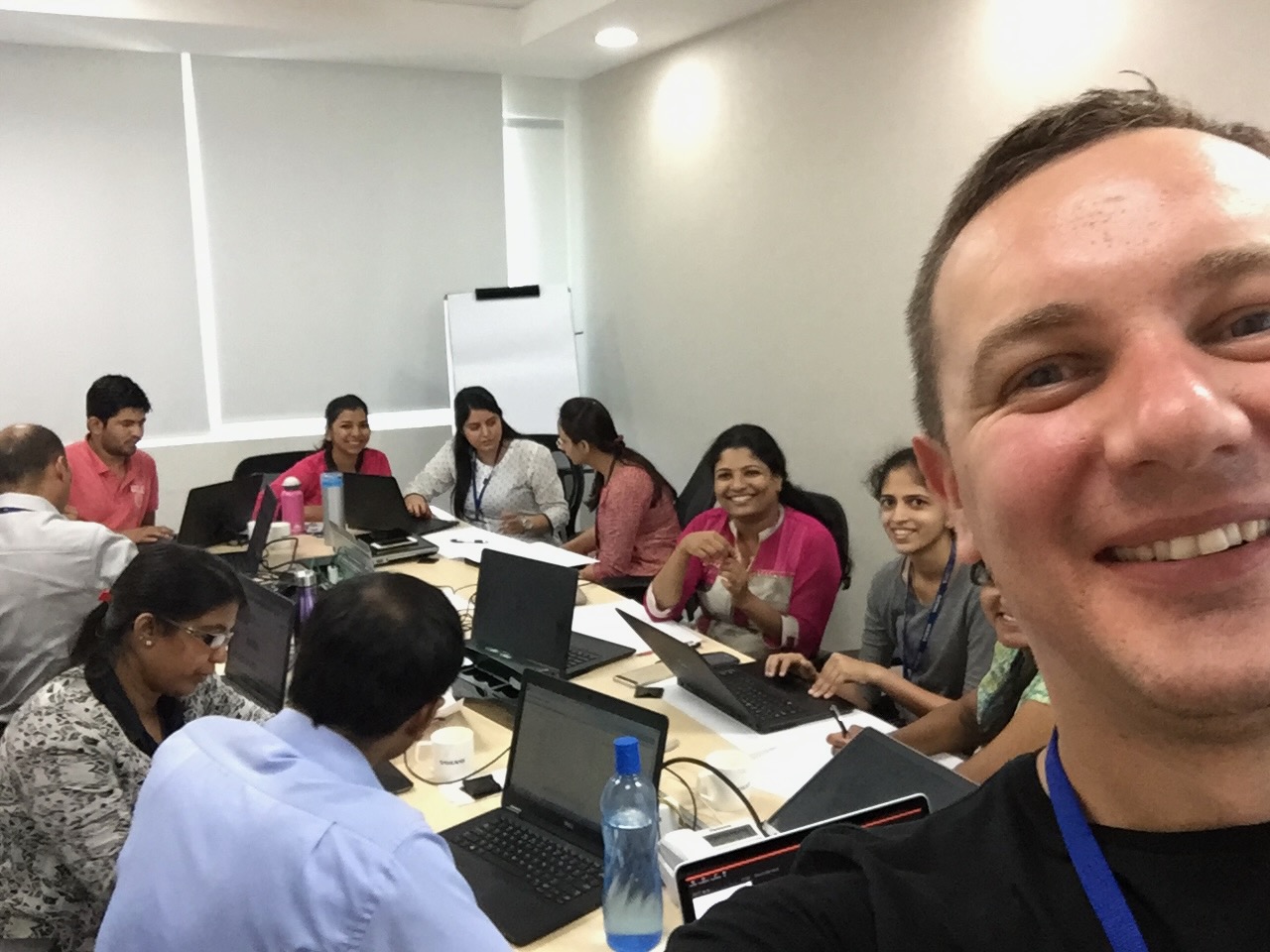
- Global collaboration and training: Delivered over 50 global workshops to embed UX principles into workflows. Trained and mentored 100+ UX professionals and business analysts, closing skill gaps and fostering a culture of innovation. Enhanced collaboration satisfaction by 30% through clearer workflows and streamlined processes.
- Usability assessments and iterative design: Conducted extensive usability evaluations to identify and resolve critical UX issues. Delivered actionable insights that improved user satisfaction and accelerated project delivery timelines.
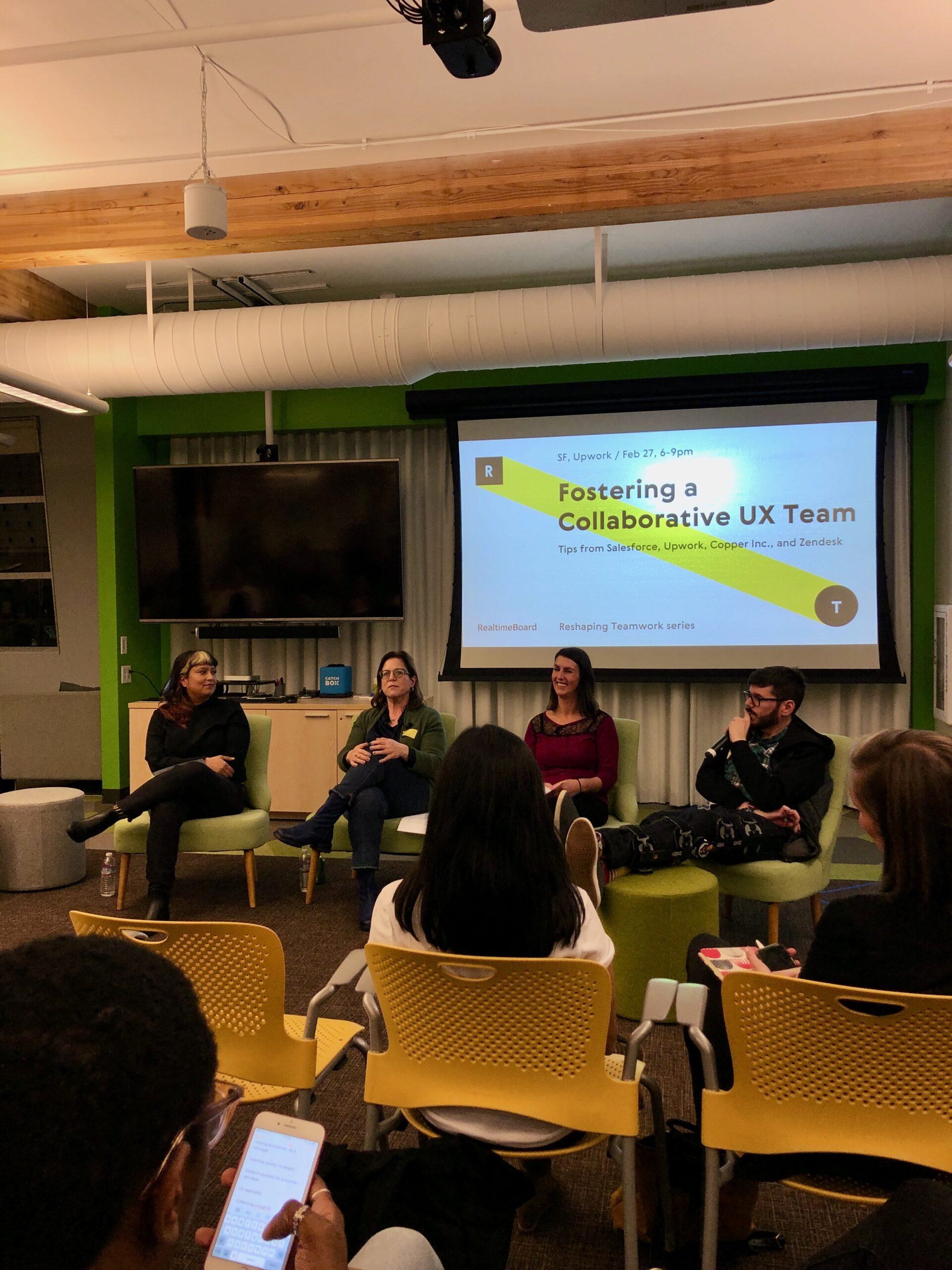
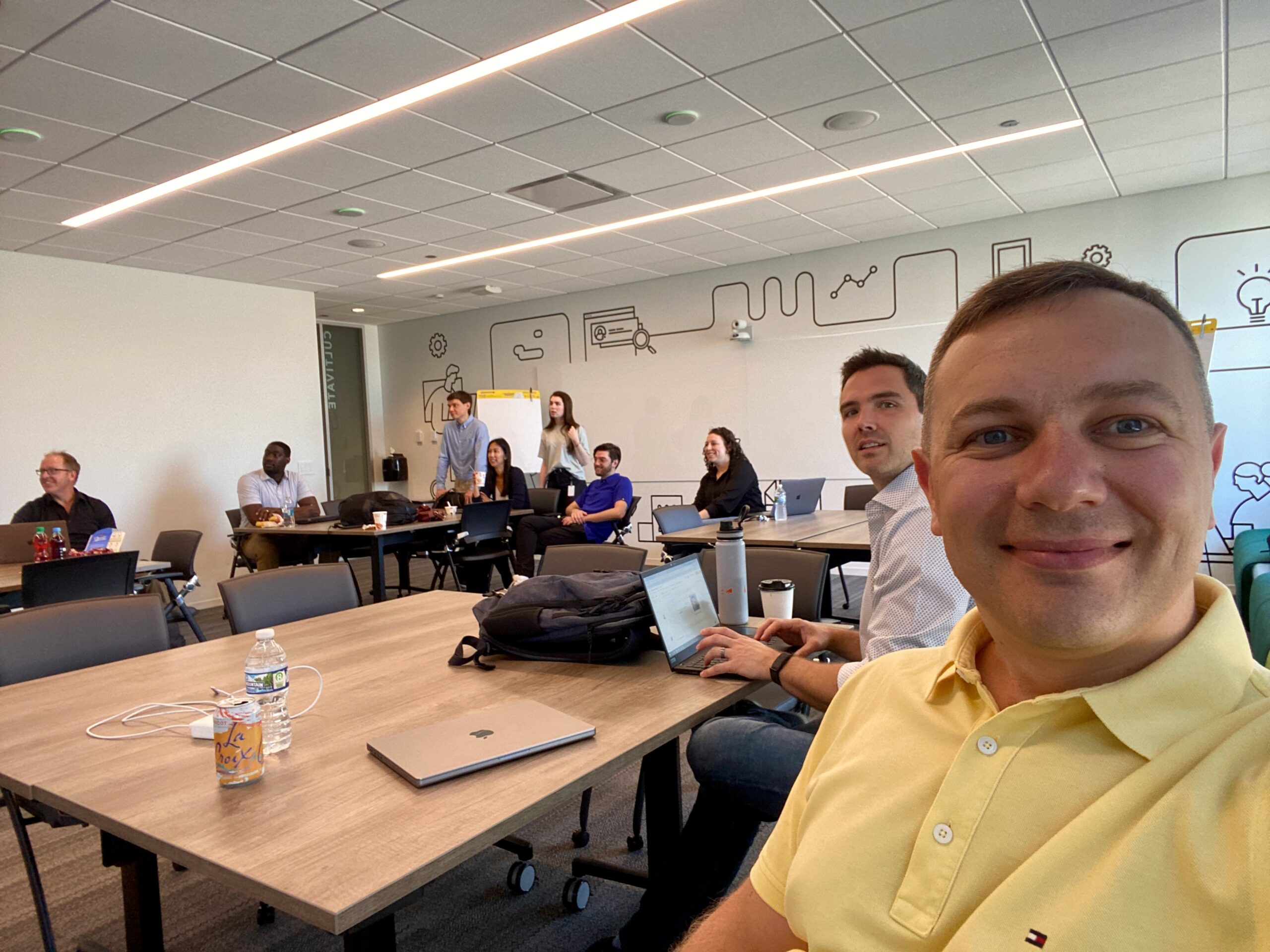
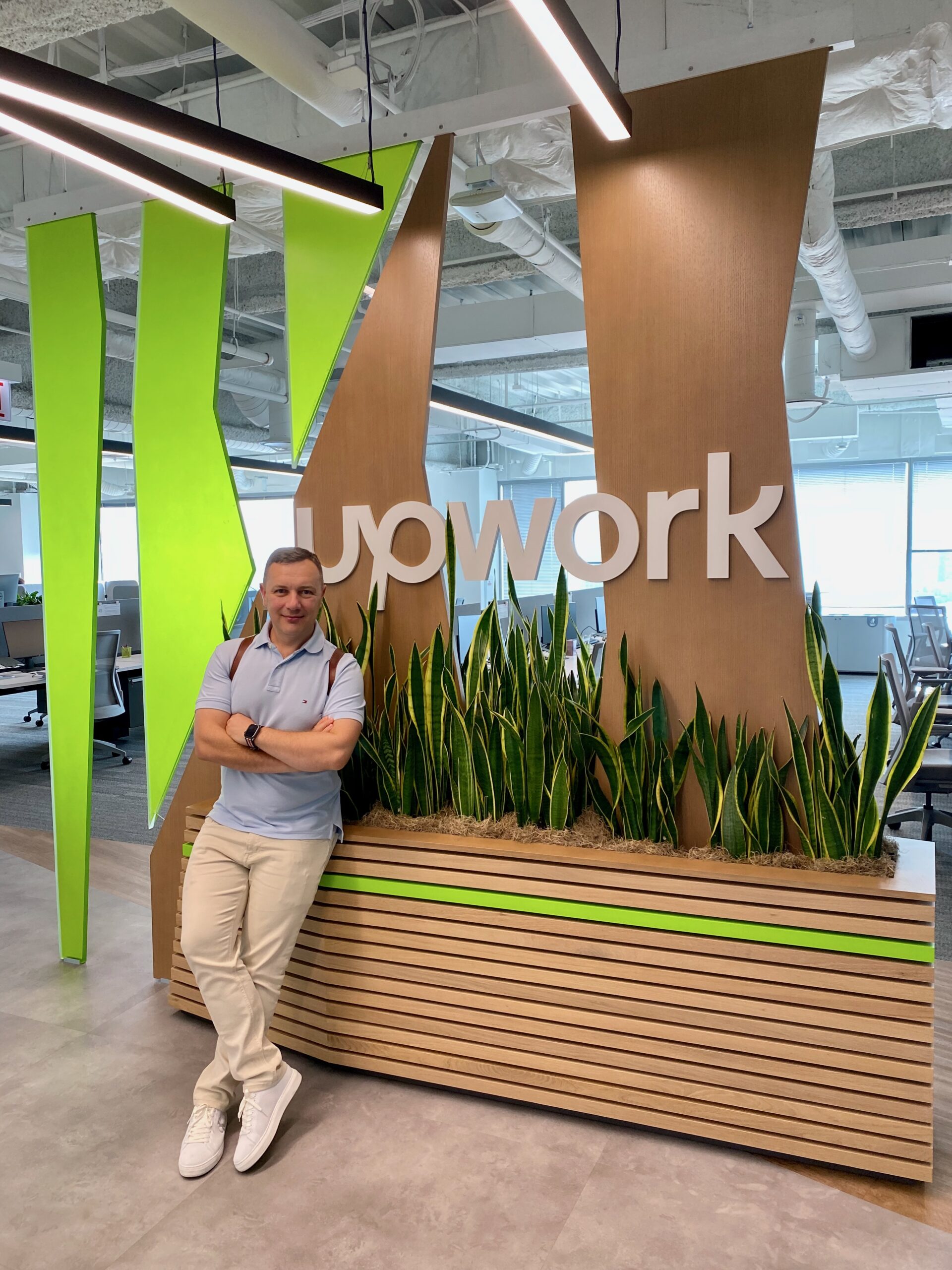
Senior product designer at Upwork
Seeking a return to hands-on design, I joined Upwork to tackle complex, enterprise-grade challenges. I led projects that incorporated AI-driven solutions, redesigned enterprise experiences, achieving measurable improvements in user engagement and efficiency. My work included crafting prototypes aligned with design systems, and driving iterative design processes. This period allowed me to refine my skills in managing high-stakes projects while staying deeply connected to the craft of design.
- AI-powered dashboards: Designed a personalized enterprise dashboard that boosted self-serve rates by 40% and enhanced user engagement. Integrated AI tools to streamline hiring workflows, provide tailored talent recommendations, and improve accessibility, reducing onboarding time by 34% and decreasing reliance on support teams by 25%.
- Automated hiring workflows: Reduced time-to-hire by 12% by developing AI-driven automated filtering, candidate grouping, and bulk action tools. These enhancements increased recruiter efficiency by 30%, improved placement accuracy, and empowered hiring managers with user-friendly, self-service features.
- Enterprise API management tools: Delivered an intuitive dashboard for managing API configurations and monitoring errors. This design drove a 3x increase in adoption by enterprise clients and enhanced workflow transparency for complex system integrations.
- Reporting and analytics redesign: Unified and improved enterprise reporting experiences by auditing existing solutions, identifying inefficiencies, and implementing standardized design patterns. Redesigned 50+ pages using a new component library with dark mode, completing the project within tight deadlines while receiving internal recognition for innovation and impact.
- Iterative prototyping and design sprints: Facilitated design sprints and workshops to prototype, refine, and align design solutions with stakeholder priorities. Guided iterative design processes to ensure solutions adhered to design systems and met accessibility and scalability requirements.
- User research and behavioral insights: Conducted extensive interviews and usability testing to inform feature prioritization and design strategy. Leveraged behavioral data to align product enhancements with real user needs, driving greater satisfaction and adoption.
- Scalable design systems: Enhanced enterprise design systems by creating adaptable, reusable components. This initiative streamlined development workflows, ensured consistency across platforms, and accelerated project implementation timelines.
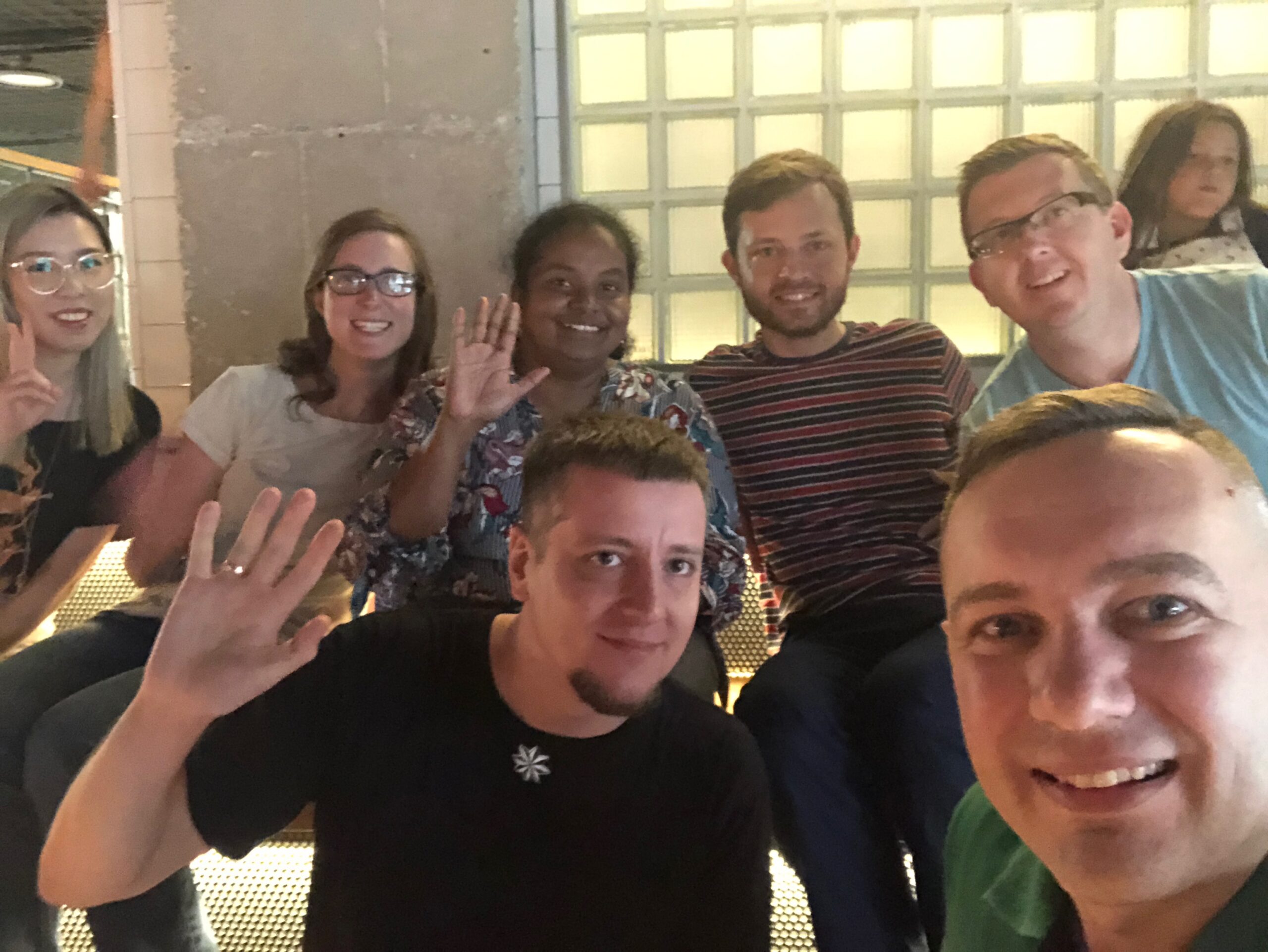
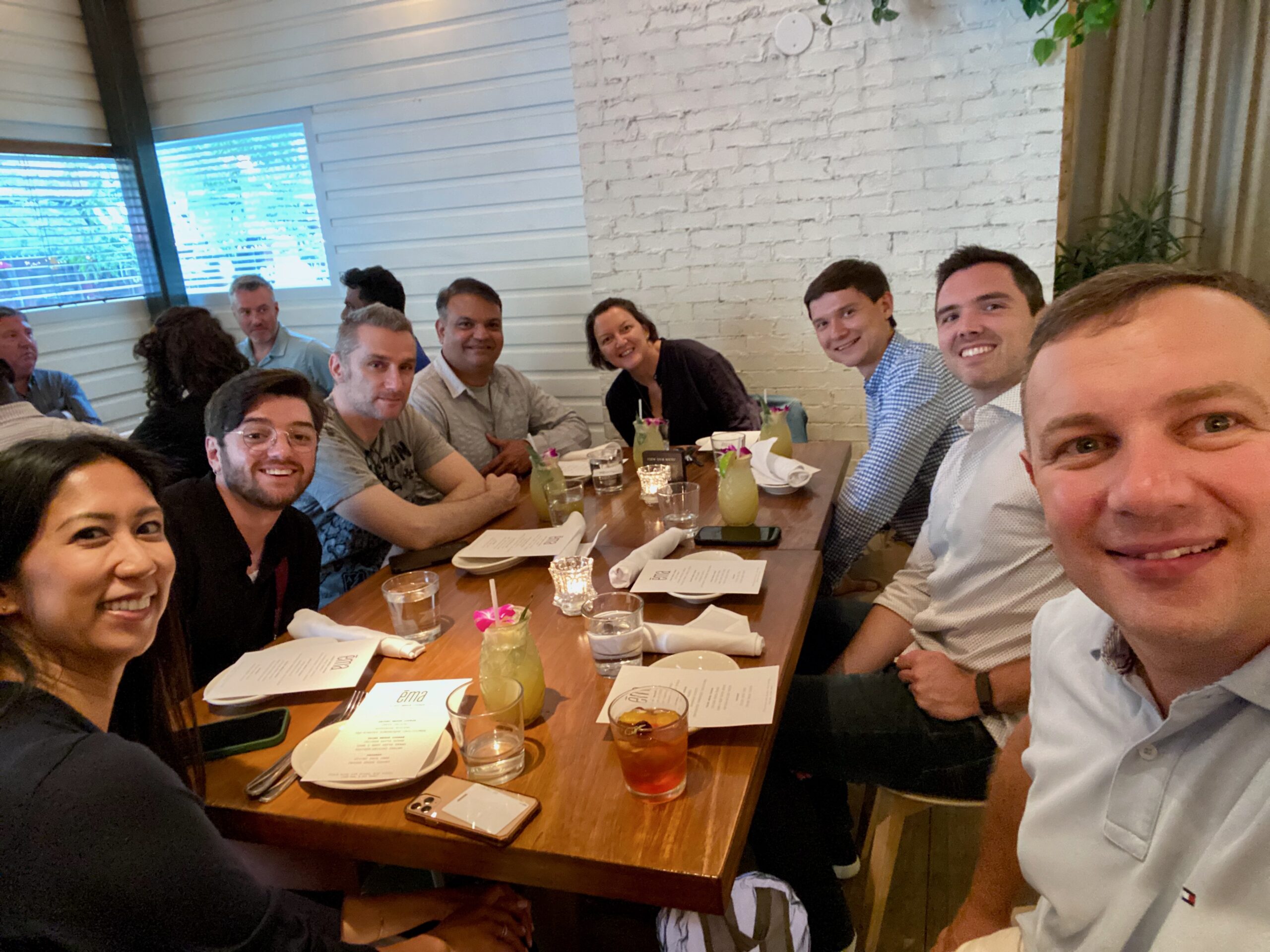
- Cross-functional collaboration and leadership: Collaborated with engineering, product management, and marketing teams to ensure seamless execution of design solutions. Presented key design concepts to executives, secured stakeholder buy-in for major initiatives, and mentored junior designers to foster a culture of innovation.
- Innovative hackathon projects: Consistently recognized for performance and strategic thinking with award-winning hackathon contributions that introduced cutting-edge, user-centric features.
Work highlights


Head of UX at SoftServe
Stepping into leadership, I was responsible for scaling and transforming the UX team into a strategic business unit. I expanded the team across multiple locations, standardized design processes, and developed frameworks that generated measurable business impact. My leadership focused on driving global scalability, client trust, and thought leadership in user-centered design.
- Team growth and scalability: Scaled the UX team from 7 to 26 designers across Ukraine, Poland, and the USA, ensuring consistent representation in key markets. Established a growth framework to support structured team expansion and implemented rituals to uphold design quality and consistency. Maintained a 75% utilization and chargeability rate, generating $2M annually in revenue.
- Competence model development: Created a comprehensive competence model outlining detailed requirements for all designer levels. The model provided clear expectations, role-specific skills, and growth pathways for career progression. This initiative empowered designers to understand their responsibilities and focus on skill-building, fostering a culture of continuous improvement and transparent career development.
- Revenue generation through design sprints: Developed a 3-day design sprint framework that streamlined pre-sales processes, enabling precise project scoping and fixed-price contract estimates. This approach improved client trust and contributed directly to securing high-value contracts.
- Standardized UX methodologies: Created a unified UX methodology across global projects, ensuring process consistency and measurable outcomes. This framework reduced delivery timelines and enhanced team collaboration, boosting client satisfaction rates.
- Design systems for multi-brand solutions: Spearheaded the creation of scalable design systems that addressed inconsistencies across platforms. Enabled seamless collaboration between design and development teams, resulting in faster implementation and reduced rework.
- Global thought leadership: Organized Ukraine’s first Dribbble event and 20 other UX-focused events, positioning SoftServe as a thought leader in design. Published thought leadership content to elevate the company’s reputation in global design communities.
- Client onboarding and workflow optimization: Streamlined client onboarding processes, reducing delivery times by 30%. Introduced workflow improvements that enhanced cross-functional collaboration and established clear milestones for project success.
- Mentorship and team development: Trained and mentored emerging team leaders, equipping them with advanced UX skills and leadership capabilities. Partnered with HR and leadership to close skill gaps and foster a culture of innovation and learning.
- Strategic design advocacy: Partnered with leadership during pre-sales engagements to position UX services as a key differentiator, resulting in high-value client wins. Delivered presentations that showcased the business value of UX to stakeholders, driving strategic alignment.
Lead UX designer at SoftServe
Transitioning into UX, I focused on connecting user needs with business objectives across diverse industries. My work emphasized crafting user-centered solutions, creating prototypes, and delivering high-quality outcomes under tight deadlines. This role deepened my understanding of the business side of design while honing my ability to balance precision and speed in a dynamic outsourcing environment.
- User-centered solutions across industries: Designed intuitive UX solutions tailored to unique business challenges in industries such as healthcare, e-commerce, and fintech. Delivered experiences that bridged user needs with measurable business outcomes, driving customer satisfaction and retention.
- Prototyping and iterative design: Developed detailed prototypes that aligned design concepts with business goals. Used iterative feedback cycles to refine solutions, ensuring stakeholder alignment and readiness for implementation.
- Information architecture and usability: Conducted research to enhance information architecture, streamlining navigation and improving accessibility across digital platforms. Ensured designs aligned with user mental models, simplifying complex workflows for a diverse user base.
- Pre-sales and client engagement: Partnered with pre-sales teams to showcase UX capabilities, creating tailored design solutions that secured high-profile client contracts. Presented strategic recommendations to stakeholders, demonstrating the value of user-centered design in achieving business objectives.
- Cross-functional collaboration: Worked closely with engineering, project management, and QA teams to ensure seamless delivery of UX solutions. Enhanced communication between teams, reducing iteration cycles and improving project timelines.
- Training and mentorship: Guided junior designers in refining their skills and aligning their work with business priorities. Established team workflows that improved efficiency and consistency across projects.
Front-end engineer at IBM
I began my career at IBM, focusing on building scalable and efficient JavaScript-based solutions that optimized web analytics and user interfaces. This role gave me the opportunity to solve complex technical challenges, streamline workflows, and collaborate with diverse teams to deliver high-quality, user-focused outcomes.
- JavaScript library optimization: Refactored existing JavaScript libraries using object-oriented programming principles, reducing file size and enhancing integration performance across enterprise systems.
- Automated testing frameworks: Designed and implemented a Selenium-based test suite to simulate user interactions and validate web analytics accuracy. This automation reduced manual testing efforts, saving time and improving reliability.
- Dynamic UI components: Developed responsive and interactive UI components using HTML, CSS, and JavaScript frameworks. Ensured cross-browser compatibility, resulting in consistent user experiences across diverse platforms.
- Web analytics tools: Created JavaScript-based tools to enable seamless data collection, ensuring accurate tracking and analysis of user behavior across IBM’s digital platforms.
- Performance optimization: Applied best practices to improve front-end performance, reducing load times and enhancing overall system responsiveness for end users.
- Collaboration and knowledge sharing: Partnered with QA, backend developers, and data analysts to integrate analytics solutions effectively. Conducted code reviews to uphold quality standards and foster a culture of continuous improvement.